The SEMA Certified-Emissions (SC-E) program is a landmark initiative designed to provide automotive aftermarket manufacturers with a verifiable, rigorous path to emissions compliance. It addresses the 49-state legality requirement by providing a "reasonable basis" pathway for a product's compliance under the U.S. Environmental Protection Agency (EPA) Tampering Policy.
The Basis: EPA Tampering Policy and "Reasonable Basis"
Under Section 203(a)(3) of the Clean Air Act, tampering with emission-control systems is prohibited. However, the EPA’s Tampering Policy allows for the sale and installation of aftermarket parts and components if the manufacturer has a "reasonable basis" to believe the modification does not adversely affect emissions in motor vehicles.
The SEMA Certified Emissions (SC-E) provides an EPA-recognized third-party certification that serves as “reasonable basis.” SC-E certification allows the sale of products in 49 states (California excluded), giving manufacturers, distributors, retailers and customers true compliance confidence.
The Methodology: Technical Testing and Calibration
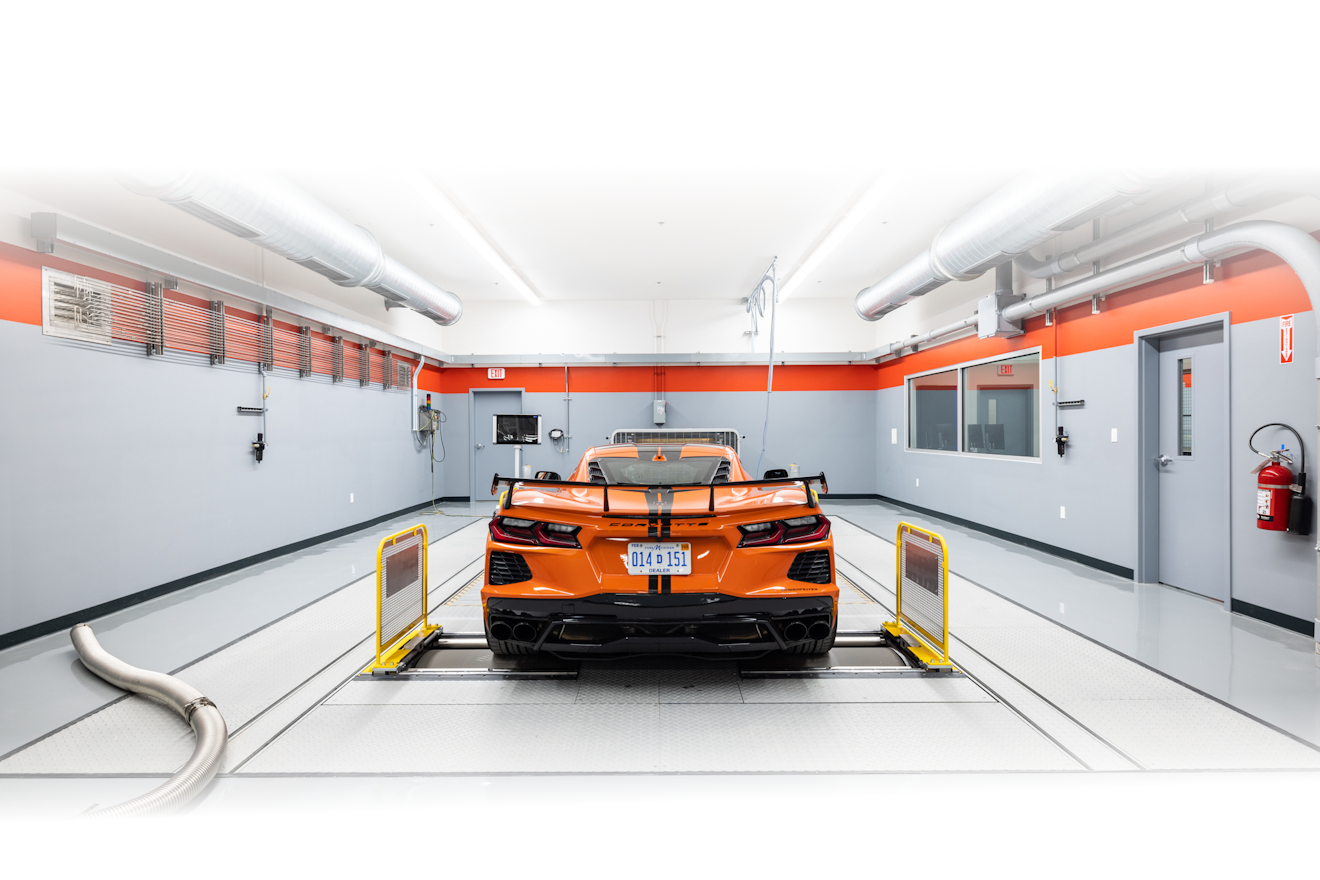
SEMA’s methodology behind SC-E is intentionally designed to mirror the rigor of established regulatory bodies such as the California Air Resources Board (CARB). The process is handled through the SEMA Garage test laboratory facilities in Diamond Bar, Calif., and Detroit.
1. Evaluation and Application
Every product undergoes an initial assessment by SEMA’s dedicated staff to determine the appropriate testing path. This includes a review of:
- Product Function: How the part or component interacts with the engine and emissions systems.
- Vehicle Application: The specific engine, test families, model years affected, and sub-model variants.
- Worst-Case Testing : Once all the Vehicle Applications are defined, a “worst-case” exemplar vehicle is selected for testing.
- This worst-case exemplar serves as a proxy for other, similar, vehicles/powertrains to provide confidence that all applications conform with the pertinent emissions standards.
2. Lab Testing Protocols
Testing relies on standardized, laboratory-controlled cycles to ensure repeatability:
- FTP-75 (Federal Test Procedure): The primary "city driving" cycle, including a cold start where emissions are highest before the catalyst reaches operating temperatures.
- Supplemental Cycles: Depending on the product, additional tests, such as the US06 (high acceleration/speed) and SC03 (air conditioning load), may be required.
- OBD-II Verification: Critical for modern vehicles, the program tests whether the modification interferes with the On-Board Diagnostic system’s ability to detect malfunctions.
The Rigor: Comparative Standards
The rigor of SC-E is defined by its adherence to EPA-recognized standards, making it more than just a "voluntary check."
|
Feature |
Level of SC-E Rigor |
|
Equipment |
Uses research-grade dynamometers and 1066-certified gas analyzers identical to those used by OEMs and the EPA. |
|
Data Integrity |
Generates a full engineering test report that can be presented to the EPA as legal justification (reasonable basis) for product sale. |
|
Labeling |
Certified products receive a unique label identifying their compliance with applicable standards. This allows smog technicians and regulators to instantly verify the public certification document, located online. |
|
CARB Alignment |
In most cases, the data gathered for SC-E is exactly what is required for a CARB EO, ensuring no "double work" and maintaining the highest technical bar. |

The SC-E Difference
For a parts manufacturer, SC-E offers an accelerated speed-to-market (often three months faster than obtaining a CARB EO). For the industry, it provides a centralized database of compliant products, bringing legitimacy to the claim of being "EPA Compliant" and protecting both the manufacturer and the consumer from legal risk.
LEARN MORE
Since 1963, SEMA has helped the automotive aftermarket thrive through robust, strategic investment in advocacy, research and development, and education. Today, SEMA is the voice of American car culture, steward of small business success, and working each day to ensure aftermarket innovators can bring exceptional products to market and thrive.